
Introduction: One Kind of Water Town
Where in the world can mix busy city life with open water like Singapore? Since we got long coastline, clean reservoirs, and can go island-hopping, it’s the best spot for Stand-Up Paddling (SUP)—one sport that is all about balance, power, and relak. Over the last ten years, SUP change from a weird hobby to a mainstream thing already, with new spots, coaches, and even Govt side helping to promote active life. Learning SUP here is not just for fun; it shows how our city stay connected to the water. It’s a story of how Singapore manage, design, and take back our waterside for everyone to use.
Actually, this kind of sport is quite fun and challenging." First-timers see people standing on the board, they always ask, “Can really balance or not?” Good news is, actually easier than it looks. In Singapore, the water usually quite calm, and weather also hot all year round, so it’s a good place to learn. Most instructors start their class at safe, sheltered spots like Pasir Ris Park, Sentosa Ola Beach, or MacRitchie, where the water got no boat traffic. That way, learners can focus on their balance slowly and safely.
The Learning Curve: From Wobble to Flow
Usually class start on land first. Coaches teach how to stand properly, how to hold the paddle, and what safety steps to take. Once go inside water, people start by kneeling first, then slowly move to stand up. Balance actually come from your core, not your feet—just like how our city stay steady even when things always changing. Usually within one or two hours, most people can already paddle a bit with confidence. By the second session, many can turn smoothly and glide near the mangroves or the fancy yachts at the marina.
Behind every "chill" SUP session, got a whole system working quietly—board storage, rental shops, lifeguard uncle, and safety zones managed by NParks and private operators. This one not random setup one. It needs the same kind of detailed planning and engineering that Singapore is famous for. What looks like simple weekend fun is actually supported by solid infrastructure and careful coordination, making sure everyone play safe and don't anyhow.
Facilities and Infrastructure: Making Water Play Possible
People might not think about it, but even keeping the waterfront pipes, showers, and drainage working needs real skill. A plumber in Singapore, for example, make sure the freshwater at beach clubs flow properly and don't waste. Same thing when old waterfront facilities undergo reinstatement works after their lease up or for safety upgrades—it takes teamwork between architects and planners to keep the space user-friendly and follow environment rules.
This mix of fun design and technical gei-kiang shows Singapore’s style: leisure never separate from the system; the "fun" is built on top of many layers of planning.
The Rise of SUP Culture in Singapore
The rise of SUP here also follows how people start to care more about wellness and work-life balance. Nowadays, many office people just want to slow down, find some peace, and stay active without breaking their body. Paddleboarding give exactly that—calm for the brain, gentle exercise for the body. Some like to go early morning when the air still cool and quiet. Clubs like SUP Ventures or Aloha organize sunrise paddles, eco-tours, and even SUP yoga, where you stretch on the board while the water move softly. It’s exercise, but also one kind of therapy. For many, this small escape feel like holiday, even though never leave the country.
SUP also bring people together naturally. Weekends at East Coast Park, can see locals and foreigners paddle side-by-side. Some talk about the tide, some share stories about their hometown in Hawaii or Bali. After a while, not just a sport already—it become a community. Everyone help each other balance, on the board and in life also. The sea is no longer a line that divide us, but a space that connect us together.
In a way, this is very Singapore style. We always find way to mix structure with freedom, discipline with leisure. SUP look simple, but it shows how our island keep turning water into living space—not just for sports, but for people to slow down, breathe, and find balance again. For a busy city, maybe this is what wellness really means: not running away from life, but flowing gently with it.
Safety, Governance, and Education
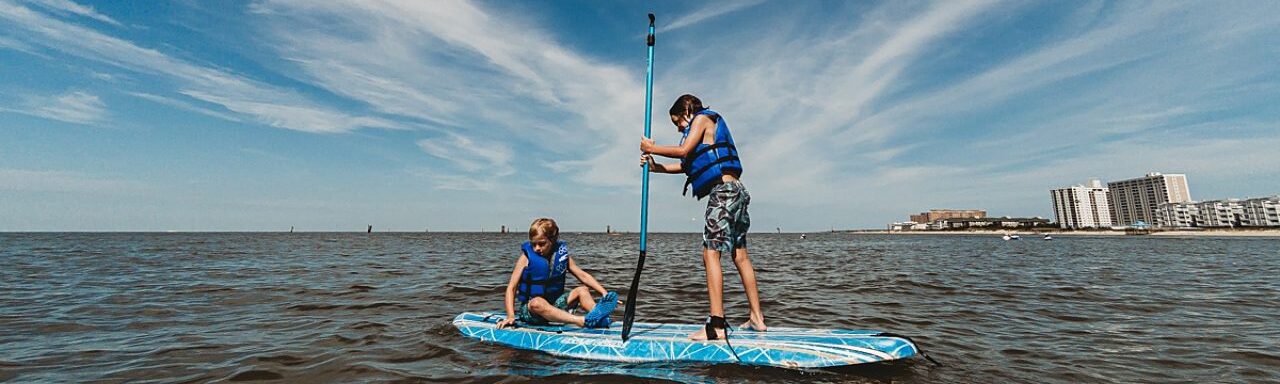
Safety on our waters is strictly check by the Maritime and Port Authority (MPA). SUP paddlers must stay inside the "box" and wear life jacket. Instructors must have certificate, and many schools follow the Singapore Canoe Federation (SCF) safety rules.
This style of balancing freedom with rules shows how our city develop sports. SUP is not treated like some side hobby, but part of a whole strategy. Schools work with ActiveSG to do training for kids and community, teaching them skill and how to care for nature. Participants learn about currents, fish, and why plastic waste is bad, so they become more conscious, not just sweat only.
Sustainability and the Future of Water Sports
Singapore’s love for SUP also fits our "green" push. Many new waterfront spots, like Punggol Digital District, already got eco-friendly design so people can play without spoiling the earth. You can see things like recycled materials, energy-saving pumps, and natural filter systems in the marinas. It’s a quiet change—showing that fun and responsibility can go together.
Some SUP clubs take it even further. Many now use inflatable boards made from recycled stuff and do “zero-waste paddles,” where everyone pick up rubbish while paddling. It’s a small act, but quite powerful—turning weekend fun into something meaningful. Every stroke on the water is like a promise to care for our home. Over time, these small habits build a sense of belonging, reminding us that the water we play in is the same water we must protect.
Reflections: Learning from Water
SUP doesn’t just teach you how to move; it teach you how to adjust. Water always shifting—you cannot fight it, you must learn to follow the rhythm. To stand up, you must learn to bend a bit, balance not by force but by feeling. Many paddlers here have that same mindset. They find balance between modern life and nature, between moving fast and slowing down, between being in a group and standing on their own.
It’s the same lesson Singapore keep learning. City planners, engineers, even a plumber working behind the wall—all learning how to make things flow. Whether it’s morning paddle at Sentosa or quiet glide at Kallang, the feeling is same: stability doesn't come from being stiff, but from learning how to adjust.
Conclusion: The Expanding Horizon
As Singapore open up more waterfront—from Marina Bay to Jurong Lake and Punggol—SUP will grow to be more than just a sport. It already reflects what Singapore is: confident even when things move beneath you, harmony with nature, and pride in doing things properly.
One day, maybe schools got SUP, or companies do wellness programs on water. However it grows, the foundation is the same—resilience, creativity, and the steady grace that shape our island. In learning to balance on water, we are, in a way, learning how to balance life itself.